Rubycon
A trip to the Rubycon conference and the east coast of Italy.
Last , Tiago and I traveled to Rimini, Italy, for the inaugural edition of Rubycon, a new addition to the Ruby conference circuit.
Rubycon
Rubycon is a small, single-track Ruby conference set right on the Adriatic coast. Held in early May literally at the seafront, it offers plenty of charm both inside and outside the conference. The organizers strategically picked a Friday for the event, hoping attendees would stick around for the weekend. Naturally, we obliged.
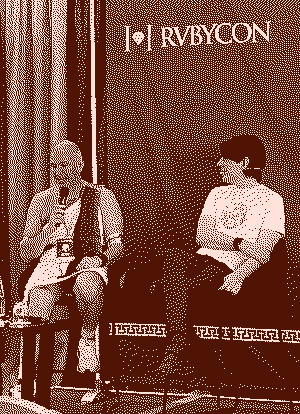
First, the conference itself. The name “Rubycon” is a clever play on the Rubicon, the nearby river that Julius Caesar famously crossed. Embracing the theme wholeheartedly, the conference leaned into Roman history with the tagline “alea iacta rest” and plenty of Roman references. Our MC, Riccardo Carlesso, even hosted the day in a toga, which set the perfect tone for the toga party on the beach later that evening.
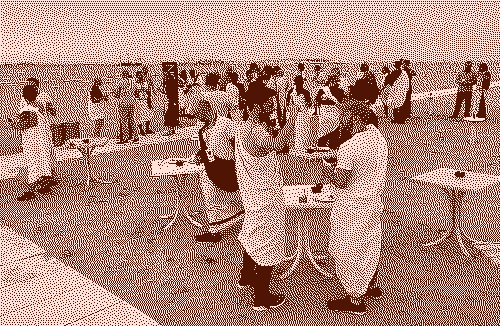
With around 130 participants, the event felt intimate and approachable, featuring an estimated mix of about half Italians and half international participants. The day was packed with eight talks. While most were great, a few missed the mark slightly; one talk in particular felt a bit too much like a sponsored slot. The content skewed toward introductory topics rather than technical deep-dives, making it a good choice for anyone newer to Ruby.
The hospitality, however, was next-level. Instead of the usual sad “grab-and-go” conference sandwich, we were treated to a proper, sit-down lunch at a fancy hotel restaurant next door. Combine that with a walking-buffet dinner right on the beach, and you get a perfect Italian mix of tech, socializing, and great food under the sun. What’s not to like?
Rimini
Rimini feels like two cities in one. On one hand, you have the historical city center: a beautiful, mostly pedestrianized area packed with Roman and medieval sights, alongside a museum dedicated to the legendary Italian filmmaker Federico Fellini. On Saturday, the organizers arranged a guided walking tour of the center for the attendees, which was super interesting.
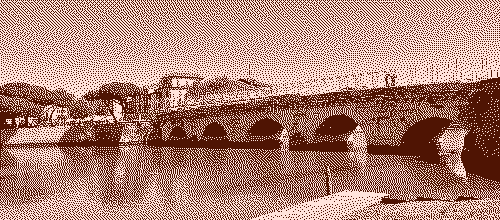
The other city, down by the seafront, is another story. There are hotels as far as the eye can see—over 1,500 of them! We joked that Rimini operates on a HaaS (Hotels-as-a-Service) model. While the coastline loses some authentic Italian charm to a slightly faded, 1970s vibe, the upside is that accommodation is affordable and plenty. They are actively renovating the beachfront so things might improve.
Because it was early May, the high season (which locals say runs from June to August) hadn’t started yet, most beach pavilions were still closed. We had no trouble finding quiet places to eat and drink. I can only imagine how packed this place gets in the summer!
Rimini is well-connected by public transport. We took a direct train from Bologna, and there is a coastal tram-bus called the Metromare that runs every 15 minutes. Unfortunately, we only discovered the Metromare on day three, so we ended up walking a lot.
Definitely spend time exploring the historical center, but feel free to skip the beachfront unless you’re just looking for a cheap stay.
Ravenna
On Sunday, with the conference officially wrapped up, we took a ~1 hour train ride north to visit Ravenna. Once the capital of the Byzantine Empire, it is now nicknamed the “Capital of Mosaics.”
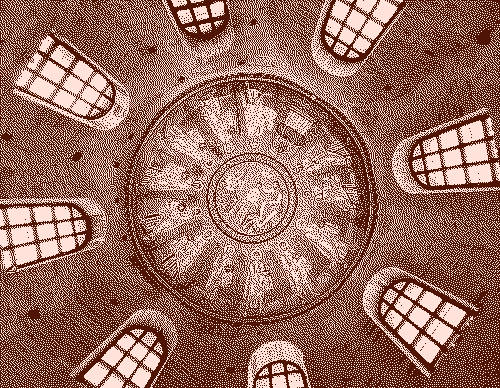
Compared to the city center of Rimini, Ravenna feels much more medieval. The mosaic frescoes here are absolutely stunning. To make things easy, you can buy a discounted combined ticket that grants entry to multiple churches, all of which are within easy walking distance of one another. My personal highlights were the Basilica di San Vitale and the quaint, beautiful Battistero degli Ariani.
While finding an Italian espresso was effortless, tracking down a good lunch proved to be a bit of a challenge. We tried the piadine, a local flatbread specialty, but stumbled into a bit of a tourist trap near the central Piazza del Popolo. Better luck next time!
San Marino
For our last full day, we decided to get active. We rented bikes in Rimini and set our sights on San Marino, a historic microstate landlocked by Italy. Since it’s not part of the European Union, it’s probably one of the few places where you cross an EU border without even noticing, let alone showing an ID. I couldn’t pass up the chance to tick this country off my bucket list.
San Marino sits atop a mountain. It was founded centuries ago by early Christians fleeing Roman persecution, as it is easy to defend. I expected a steep climb at the very end. What I didn’t expect was for the incline to start the moment we left Rimini! The final stretch hit a respectable 18% incline, but the payoff was worth it: the view and the 20 km ride back down to Rimini are an absolute blast.
If you take this trip by bike, avoid the main highway. We followed a route provided by the bike rental (which I highly recommend), taking quieter backroads. Just keep your wits about you: Italian drivers have a very… unique style of driving.
Download (GPX, 22.7 km) the bike trip from Rimini to San Marino as GPX.
San Marino itself is fantastic. The city is a vertical labyrinth of narrow alleys, steps, and historic fortresses. The views are breathtaking, offering the Apennine Mountains on one side and the Adriatic coast on the other.
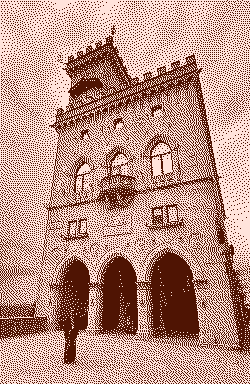
Between the rewarding physical challenge of the bike ride and the beauty of the city, San Marino was easily my highlight of the trip.